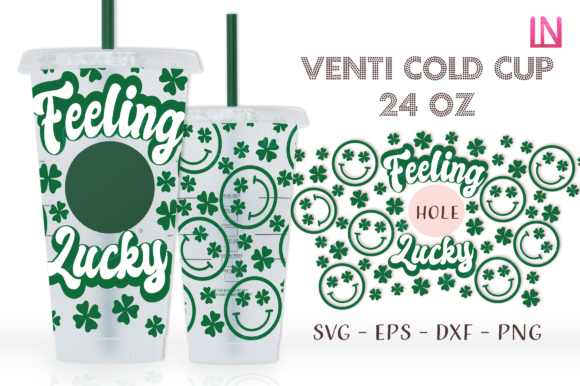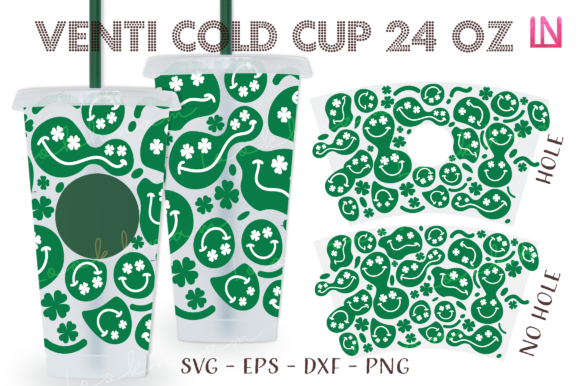
Feeling Lucky Smiley Graphics for Craft Branding
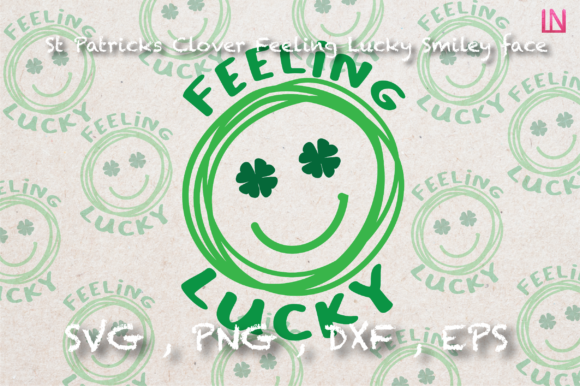
When a local bakery client reached out about their upcoming St. Patrick's Day seasonal campaign, I knew I needed something that could bridge the gap between festive charm and genuine brand warmth. The Feeling Lucky Smiley asset caught my attention immediately. It is not the overly polished, plastic-looking clipart that floods creative marketplaces every March. This hand-drawn smiley face, paired with a clover motif, has a raw, approachable quality that feels like it was sketched in a notebook rather than generated by an algorithm. For a small business owner trying to build emotional connection through packaging and promotional visuals, that distinction matters more than most people realize.
What I look for in a graphic design asset is not just visual appeal. I assess whether it can carry a brand story across multiple touchpoints. The Feeling Lucky Smiley delivers a mood that sits somewhere between playful nostalgia and handmade sincerity. The linework has slight imperfections that make it feel human, not machine-made. This is exactly the kind of character that works for a coffee shop wanting to print smiley clover motifs on takeaway cups, or a handmade soap brand designing seasonal labels that need to feel personal rather than mass-produced.
What This Asset Brings to a Real Brand Project
I tested the Feeling Lucky Smiley across several mockup scenarios for my bakery client. The first thing I noticed was how well it scaled. The included file package delivers one SVG, one EPS, one DXF, and one PNG at 1000px, which gives me the flexibility to use it on everything from a tiny hang tag to a large window decal. The SVG and EPS formats are essential for professional branding work because they allow infinite resizing without quality loss. When I placed the design on a pastry box mockup, the hand-drawn quality of the smiley face softened the entire packaging presentation. It made the product feel more artisanal, more carefully considered.
For a small business branding project, the emotional tone of a decorative element can shift the entire customer perception. A smiley face with a clover is inherently cheerful, but the hand-drawn execution here prevents it from feeling juvenile or gimmicky. Instead, it reads as warm, optimistic, and slightly whimsical. This is important for brands that want to celebrate a holiday without losing their visual sophistication. A boutique candle brand, for example, could use this on a limited-edition St. Patrick's Day label without undermining the premium feel of their product line.
Matching the Mood to the Right Business Type
Not every design asset fits every brand. The Feeling Lucky Smiley has a distinct personality that leans friendly, handmade, and festive. I would recommend it most confidently for businesses that already embrace a warm or approachable brand voice. Think of a local bakery, a family-owned coffee shop, a children's clothing boutique, a handmade greeting card studio, or a home decor brand that sells seasonal prints. The hand-drawn nature of the artwork also makes it a natural fit for handmade business owners who sell on platforms like Etsy or at local craft fairs, where the expectation is authenticity rather than corporate polish.
I also see strong potential for food businesses that want to create limited-time seasonal packaging. A cupcake shop could print the smiley clover on toppers or stickers. A tea brand could use it on hang tags for a special green tea blend. A food truck could incorporate it into a chalkboard-style menu graphic. The versatility comes from the fact that the design reads clearly even at small sizes, and the emotional cue, happiness mixed with luck, translates across industries.
Where the Design Performs Strongest
Through my testing, I identified several applications where the Feeling Lucky Smiley genuinely elevates the presentation. Product labels benefit from the cheerful focal point, especially when the smiley sits near the brand name or product flavor. Packaging accents, such as a small clover smiley printed on the corner of a box or the flap of a paper bag, create a subtle but memorable unboxing experience. Thank-you cards and package inserts become more personal when they include a hand-drawn element that echoes the brand's seasonal theme.
On social media, this asset performs surprisingly well. I placed it on a promotional banner mockup for Instagram Stories, and the smiley face immediately drew the eye toward the offer text. The visual hierarchy improved because the illustration created a natural entry point for the viewer. For a social media graphics campaign, especially one centered around a holiday promotion, the Feeling Lucky Smiley can serve as a recurring visual anchor that ties multiple posts together into a cohesive series.
I also tested the design on product mockups for tumblers and mugs, which are specifically mentioned in the product description. The hand-drawn style transfers beautifully onto curved surfaces. The linework remains crisp, and the smiley face wraps naturally without looking distorted. A local coffee shop could sell branded St. Patrick's Day mugs featuring this graphic, and the product would feel like a thoughtful seasonal item rather than a cheap novelty.
When to Use Restraint
Every experienced designer knows that even the best asset has limits. The Feeling Lucky Smiley is not suited for formal corporate branding. If your client is a law firm, a financial consultancy, or a luxury minimalist brand, this design will feel out of place. The playful hand-drawn character contradicts the seriousness those brands need to project. I also advise caution when using it on very small labels where the clover detail might become muddy. At sizes below half an inch, the intricate linework could fill in or lose clarity, especially on absorbent paper stocks.
Another area to watch is contrast. The single-color nature of the design means it can disappear on dark or busy backgrounds if not properly adjusted. Always test the PNG on your intended background color before committing to a print run. If you are placing the smiley near ingredient lists, legal disclaimers, or barcode areas, make sure it does not compete with critical information. Decorative elements should support visual hierarchy, not undermine it. In packaging design, clarity always comes first.
Practical Designer Notes Before You Commit
I always run a series of checks before integrating any design asset into a client project. For the Feeling Lucky Smiley, I recommend starting with a packaging mockup. Place the graphic on a real-world template for a box, label, or bag and evaluate how it interacts with your brand typography. I tested it beside a serif font, and the contrast between the refined letterforms and the casual illustration created a lovely tension. With a sans serif font, the pairing felt cleaner and more modern. A script font brought out the handmade quality even more, while a handwritten font risked making the overall design feel too informal. A display font, especially something bold and condensed, created a striking poster-style composition that would work well for a promotional flyer or storefront sign.
Check the black and white version of the graphic. If your packaging is printed in a single color, or if you plan to use the design on a receipt or invoice, the linework needs to hold up without color. The Feeling Lucky Smiley translates well because the illustration relies on outline rather than filled shapes. The SVG file is fully editable, so you can adjust stroke weight, remove the clover for a simpler smiley, or change colors to match your brand palette. This editability is a major advantage for professional branding work where consistency across materials is essential.
Inspect the transparent PNG at full resolution. At 1000px, the file is large enough for most digital and print applications, but if you need to scale it significantly for a large-format banner, switch to the SVG or EPS version. The DXF file format is particularly useful if you are working with cutting machines for vinyl decals or fabric applications. A t-shirt designer or textile artist could use this file to create heat-transfer designs for apparel, which aligns with the product description mentioning shirt design and fabric use.
Licensing and Commercial Use Considerations
Before using the Feeling Lucky Smiley for any client work, business branding, or physical product sales, confirm the commercial license terms. Many creative marketplace assets come with restrictions on print-on-demand usage, trademark incorporation, or resale as standalone graphics. If you are designing a logo that includes this smiley, understand whether the license allows for trademark registration. For a local business that wants to build long-term brand equity, locking up a graphic element that cannot be legally protected creates risk down the road. I always advise small business owners to either secure an extended license or use purchased assets as decorative accents rather than core logo components.
How the Asset Supports Long-Term Brand Presentation
Beyond a single seasonal campaign, the Feeling Lucky Smiley can contribute to a broader brand identity strategy. The hand-drawn quality introduces a human element that many small businesses lack in their visual presentation. When customers see a smiley face that looks like it was drawn by a real person, it triggers a subtle emotional response. It signals that the brand does not take itself too seriously, that there is warmth behind the product. This can translate into stronger customer trust, better product recognition, and a more memorable unboxing experience.
I have seen local brands transform their packaging presentation simply by adding a well-chosen illustration. The right graphic creates a focal point, guides the eye, and makes the product feel more valuable. For a bakery, a clover smiley on a pastry box suggests that the treats inside are made with care and a touch of joy. For a handmade candle brand, the same graphic on a seasonal label signals that the product is special, limited, and worth purchasing. The shelf appeal improvement is real, especially when competing products rely on generic or overly simple packaging.
What I appreciate most about the Feeling Lucky Smiley is that it does not try to do too much. It is a single, well-executed illustration that knows its purpose. It is cheerful without being loud, festive without being disposable, and hand-drawn without being sloppy. For a local business owner who wants to create seasonal packaging that feels genuine, or a creative entrepreneur building a promotional campaign around St. Patrick's Day, this asset offers flexibility, emotional resonance, and professional usability. Just remember to test it thoroughly in your specific context, because the difference between a good design and a great one is always in the application.